

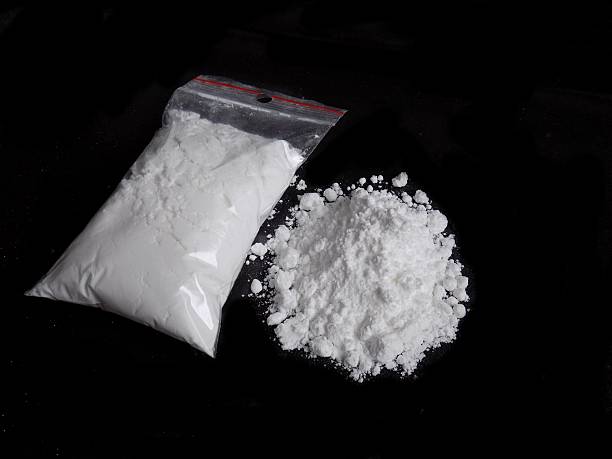
Brown powder heroin is an illegal opioid substance associated with significant health risks, addiction, and potentially life-threatening complications. Heroin belongs to a class of drugs that affects the central nervous system and changes how the brain processes pain, pleasure, and other sensations. Although opioids may have legitimate medical applications when prescribed appropriately, heroin has no accepted safe recreational use and carries substantial risks.
Understanding brown powder heroin, its effects on the human body, and the dangers of opioid addiction is important for raising awareness and encouraging prevention, early intervention, and professional treatment. Learning about the risks associated with buy crystal meth online searches can help people recognize potentially harmful situations.
What Is Brown Powder Heroin?
Brown powder heroin is a form of heroin that generally appears as a brown or tan-colored powder. Its appearance can vary depending on the substances present during production and processing.
Heroin is derived from morphine, which originates from the opium poppy. It acts on opioid receptors in the brain and other parts of the nervous system, producing pain-relieving effects and potentially intense feelings of pleasure.
However, the appearance of an unregulated substance cannot establish its purity, strength, or chemical composition. Illicit heroin may contain unexpected additives, contaminants, or highly potent synthetic opioids.
This unpredictability significantly increases the risk of poisoning and overdose.
How Does Heroin Affect the Human Brain?
Heroin affects the brain by interacting with opioid receptors, particularly those involved in pain regulation, reward, and emotional responses.
When these receptors are activated, the brain may experience changes in pain perception and the release of dopamine, a neurotransmitter associated with pleasure and reward.
These effects can contribute to repeated substance use and eventually lead to dependence. Understanding ketamine crystals includes recognizing possible effects on memory and concentration.
Some neurological and psychological effects include:
- Reduced awareness and alertness.
- Temporary feelings of relaxation or euphoria.
- Impaired judgment and decision-making.
- Reduced pain sensitivity.
- Confusion and mental impairment.
- Strong cravings and compulsive substance-seeking behavior.
Repeated exposure can change the brain’s reward system and make it increasingly difficult for an individual to control substance use.
Physical Health Risks of Brown Powder Heroin
Heroin can affect several organs and bodily systems. Its risks are particularly serious because illicit products may have unpredictable potency and composition.
1. Respiratory Depression
One of the most dangerous effects of heroin is respiratory depression. Opioids can slow breathing by suppressing activity in the brainstem, which controls essential respiratory functions.
Severe respiratory depression can result in dangerously low oxygen levels, brain injury, or death.
2. Cardiovascular Complications
Heroin use can affect heart rate, blood pressure, and circulation. Serious complications may occur, particularly during an overdose or when other substances are involved. Awareness of ketamine nasal spray compounded should include information about possible misuse and dependence.
3. Gastrointestinal Problems
Opioids commonly affect digestive activity. Individuals may experience constipation, nausea, vomiting, and abdominal discomfort.
Long-term opioid use can contribute to persistent digestive difficulties.
4. Infectious Diseases
People who inject heroin may face additional health risks, especially when needles or other injection equipment are shared.
These risks include:
- HIV infection.
- Hepatitis B.
- Hepatitis C.
- Skin and soft-tissue infections.
- Serious bloodstream infections.
Some infections can cause permanent organ damage or become life-threatening without appropriate medical treatment. Understanding the risks behind buy ketamine online searches can support informed health decisions.
5. Weakened Overall Health
Long-term heroin addiction may interfere with nutrition, sleep, personal hygiene, and general healthcare.
Individuals may also experience weight changes, reduced physical activity, and worsening existing medical conditions.
Understanding Opioid Addiction and Dependence
Opioid addiction is a complex medical condition involving changes in brain function, behavior, and the ability to control substance use.
Repeated heroin exposure can produce physical dependence, meaning the body adapts to the substance and may develop withdrawal symptoms when its use stops.
Common warning signs of opioid addiction include:
- Strong cravings for heroin.
- Difficulty controlling substance use.
- Spending significant time obtaining or recovering from the substance.
- Neglecting family, employment, or educational responsibilities.
- Continuing use despite serious health problems.
- Experiencing withdrawal symptoms.
- Losing interest in previously enjoyable activities.
Addiction should be treated as a health condition rather than a personal or moral failure.
Signs and Symptoms of a Heroin Overdose
A heroin overdose is a medical emergency that can cause severe respiratory depression and death. Understanding brown powder heroin includes recognizing that appearance cannot establish purity or potency.
Recognizing the warning signs quickly can help save a person’s life.
Important overdose symptoms include:
- Extremely slow or stopped breathing.
- Unresponsiveness or unconsciousness.
- Very small or pinpoint pupils.
- Blue, grey, or unusually pale lips and skin.
- Gurgling or choking sounds.
- Limp muscles.
- Cold or clammy skin.
Emergency response is essential. If an opioid overdose is suspected, contact local emergency medical services immediately. Administer naloxone if available and follow the emergency operator’s instructions. Rescue breathing or CPR should be provided if the responder is trained to do so.
Naloxone can temporarily reverse opioid overdose effects, but emergency medical assessment remains necessary because symptoms may return after its effects wear off.
Psychological and Social Consequences of Heroin Addiction
The consequences of heroin addiction often extend beyond physical health.
Individuals may experience depression, anxiety, emotional instability, and difficulties maintaining healthy relationships. Discussions of china white heroin can raise awareness of the risks of respiratory suppression.
Addiction can also affect different areas of everyday life, including:
Family Relationships: Secrecy, financial difficulties, and behavioral changes may create conflict and reduce trust between family members.
Employment and Education: Concentration problems, health complications, and frequent absences can interfere with professional and academic responsibilities.
Financial Stability: Repeated substance use may create financial pressure and make it difficult to maintain basic living expenses.
Social Isolation: Individuals experiencing addiction may withdraw from friends, relatives, and supportive communities.
Recognizing these consequences can encourage families to seek professional assistance rather than responding with judgment or stigma.
Treatment Options for Heroin Addiction
Heroin addiction is treatable, and several evidence-based approaches can support recovery.
1. Medication-Assisted Treatment
Medications such as methadone and buprenorphine are commonly used to treat opioid use disorder. Awareness of black tar heroin can encourage people to recognize the need for medical support.
These medications help reduce withdrawal symptoms and cravings, allowing individuals to focus on their recovery.
Naltrexone may also be appropriate for certain patients following medical evaluation and an appropriate opioid-free period.
2. Behavioral Therapy
Cognitive behavioral therapy can help individuals recognize triggers, understand harmful behavior patterns, and develop healthier coping strategies.
3. Medical Detoxification
Medically supervised withdrawal management can help individuals manage withdrawal symptoms and receive appropriate healthcare support.
Detoxification alone is generally insufficient as a long-term treatment for opioid use disorder. Continuing treatment is important for reducing relapse risks.
4. Counseling and Peer Support
Individual counseling, family therapy, and peer-support programs can provide emotional support and encourage long-term recovery.
5. Ongoing Healthcare
Regular medical appointments can help address physical complications, monitor recovery progress, and adjust treatment when necessary.
Preventing Opioid Addiction
Prevention requires education, awareness, and access to appropriate healthcare resources. Public health resources concerning heroin for sale should include overdose awareness and treatment information.
Some effective prevention strategies include:
- Understanding the risks associated with illegal opioids.
- Using prescription pain medications only as directed by healthcare professionals.
- Avoiding the combination of opioids with alcohol or sedative medications unless specifically directed by a clinician.
- Recognizing early warning signs of substance dependence.
- Improving access to addiction treatment.
- Making naloxone available to people at risk of opioid overdose.
- Encouraging supportive and nonjudgmental conversations about addiction.
Early intervention can reduce the likelihood of severe health complications and improve recovery outcomes. Information about how to buy ketamine can explain the importance of obtaining medication through lawful channels.
Conclusion
Brown powder heroin is a dangerous illegal opioid associated with serious physical, psychological, and social consequences. Its unpredictable composition and potency make its use particularly hazardous, while repeated exposure can lead to dependence and opioid addiction.
Respiratory depression, infectious diseases, cardiovascular complications, and potentially fatal overdoses are among its most serious health risks.
However, opioid addiction is treatable. Evidence-based medications, behavioral therapy, medical supervision, and ongoing support can help individuals regain control of their lives. Raising awareness about heroin-related dangers is an important step toward prevention, early treatment, and healthier communities. Understanding searches for where to buy cocaine can help support prevention and early intervention.
